Quick Answer
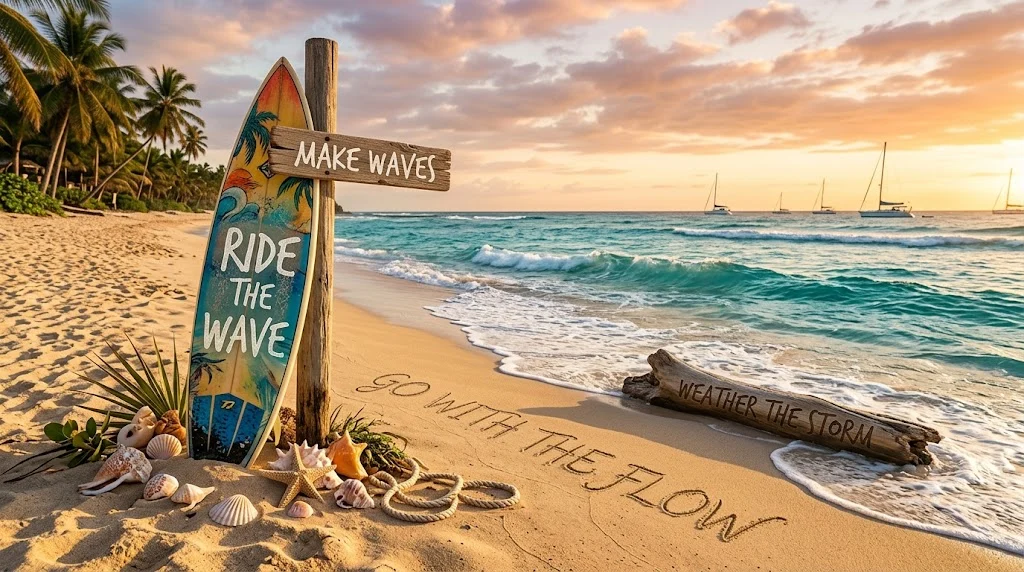
Idioms for the beach are expressions inspired by the ocean, waves, sand, tides, sailing, and coastal life. They often describe emotions, opportunities, challenges, relationships, success, and personal growth. Popular examples include “ride the wave,” “plain sailing,” “all at sea,” and “make waves.
There’s something about the beach that inspires reflection. Waves roll in and out, tides change, and the horizon stretches endlessly ahead. For centuries, people have used the sea and shoreline as powerful symbols in stories, conversations, and everyday language.
Many English idioms draw inspiration from coastal life. Sailors, fishermen, travelers, and storytellers helped shape expressions that are still widely used today. Even if you’ve never stepped onto a sailboat, you’ve probably heard someone say they’re “all at sea” when confused or that they’re trying to “keep their head above water” during a busy period.
For writers, students, bloggers, and language learners, beach-related idioms add energy and imagery to communication. They help explain complex feelings and situations in ways that are vivid and memorable.
In this guide, you’ll discover some of the most useful idioms for the beach, learn what they mean, and see how to use them naturally in real-life conversations and writing.
Quick Summary Table
| Idiom | Meaning | Common Use |
|---|---|---|
| Ride the wave | Take advantage of success or momentum | Opportunities |
| Make waves | Cause change or attract attention | Work and leadership |
| All at sea | Confused or uncertain | Problem-solving |
| Plain sailing | Easy progress | Projects and goals |
| Test the waters | Try something before committing | Decisions |
| Miss the boat | Lose an opportunity | Regret and timing |
| Rock the boat | Disrupt a stable situation | Relationships |
| Between the devil and the deep blue sea | Facing two difficult choices | Decision-making |
| In the same boat | Sharing the same situation | Teamwork |
| Learn the ropes | Learn how something works | Education and careers |
| Keep your head above water | Manage despite difficulties | Finances and stress |
| A drop in the ocean | A very small amount | Comparisons |
| Go with the flow | Adapt easily | Personal growth |
| Sail close to the wind | Take risks | Business and life |
| On the horizon | Likely to happen soon | Future plans |
| Sea change | Major transformation | Life transitions |
| Smooth seas | Easy circumstances | Success |
| Drift apart | Gradually grow distant | Relationships |
| Weather the storm | Survive difficulties | Resilience |
| Cast anchor | Settle down | Family and stability |
Ride the Wave
Meaning
To take advantage of a successful situation or growing trend.
When People Use It
When discussing momentum, popularity, or opportunities.
Alternative Expression
Capitalize on success.
Examples in Communication
Formal Example:
The company rode the wave of increased consumer demand.
Casual Example:
I’m just riding the wave and seeing where things go.
Creative Example:
She caught opportunity like a surfer catching the perfect wave.
Make Waves
Meaning
To attract attention or create significant change.
When People Use It
Leadership, innovation, and social change.
Alternative Expression
Shake things up.
Examples in Communication
Formal Example:
The new policy made waves throughout the industry.
Casual Example:
He’s always making waves wherever he goes.
Creative Example:
Her ideas rippled outward like waves across the shore.
All at Sea
Meaning
To feel confused or uncertain.
When People Use It
When someone lacks direction or understanding.
Alternative Expression
Completely confused.
Examples in Communication
Formal Example:
Many employees felt all at sea during the transition.
Casual Example:
I’m all at sea with this new software.
Creative Example:
Without a map, every decision felt lost among endless waters.
Plain Sailing
Meaning
A situation that progresses smoothly and easily.
When People Use It
Projects, studies, and personal goals.
Alternative Expression
Smooth progress.
Examples in Communication
Formal Example:
After initial challenges, the project was plain sailing.
Casual Example:
The exam was plain sailing once I started.
Creative Example:
The journey unfolded beneath calm skies and gentle winds.
Test the Waters
Meaning
To try something cautiously before making a commitment.
When People Use It
Business, relationships, and personal decisions.
Alternative Expression
Try it out.
Examples in Communication
Formal Example:
The company tested the waters before launching nationally.
Casual Example:
I’m just testing the waters with online classes.
Creative Example:
She dipped her toes into change before diving in.
Miss the Boat
Meaning
To lose an opportunity because of delay or inaction.
When People Use It
Career, investment, and personal opportunities.
Alternative Expression
Lose the chance.
Examples in Communication
Formal Example:
Several investors missed the boat on early growth.
Casual Example:
Hurry up or you’ll miss the boat.
Creative Example:
The tide carried opportunity away before he reached the dock.
Rock the Boat
Meaning
To disturb a stable situation.
When People Use It
Workplace, family, and social situations.
Alternative Expression
Cause disruption.
Examples in Communication
Formal Example:
Management avoided changes that might rock the boat.
Casual Example:
Don’t rock the boat right now.
Creative Example:
One careless comment sent ripples through the entire group.
Between the Devil and the Deep Blue Sea
Meaning
Facing two equally difficult choices.
When People Use It
Complex decisions and dilemmas.
Alternative Expression
Between a rock and a hard place.
Examples in Communication
Formal Example:
The organization found itself between the devil and the deep blue sea.
Casual Example:
I’m stuck between the devil and the deep blue sea.
Creative Example:
Every path seemed to lead toward another storm.
In the Same Boat
Meaning
Sharing the same challenge or situation.
When People Use It
Teamwork and mutual understanding.
Alternative Expression
In this together.
Examples in Communication
Formal Example:
Employees and managers were in the same boat during restructuring.
Casual Example:
Don’t worry, we’re all in the same boat.
Creative Example:
Their shared journey pulled them closer together.
Learn the Ropes
Meaning
To learn the basics of a new task or role.
When People Use It
Training, education, and new jobs.
Alternative Expression
Get familiar with.
Examples in Communication
Formal Example:
New hires spend several weeks learning the ropes.
Casual Example:
Give me time to learn the ropes.
Creative Example:
Each lesson untangled another knot of uncertainty.
Keep Your Head Above Water
Meaning
To manage despite financial, emotional, or professional difficulties.
When People Use It
Stressful periods and challenging circumstances.
Alternative Expression
Get by.
Examples in Communication
Formal Example:
Many small businesses struggled to keep their heads above water.
Casual Example:
I’m barely keeping my head above water this week.
Creative Example:
The waves were high, but she refused to sink.
A Drop in the Ocean
Meaning
A very small amount compared to what is needed.
When People Use It
Comparisons involving scale.
Alternative Expression
A tiny contribution.
Examples in Communication
Formal Example:
The donation was a drop in the ocean compared to the overall cost.
Casual Example:
Ten dollars is a drop in the ocean.
Creative Example:
His effort felt like a single raindrop meeting the sea.
Go with the Flow
Meaning
To adapt easily to changing situations.
When People Use It
Travel, relationships, and daily life.
Alternative Expression
Be flexible.
Examples in Communication
Formal Example:
Successful leaders often know when to go with the flow.
Casual Example:
Let’s just go with the flow today.
Creative Example:
She moved through life like a tide guided by the moon.
Sail Close to the Wind
Meaning
To behave in a risky or questionable way.
When People Use It
Business decisions and personal risks.
Alternative Expression
Push the limits.
Examples in Communication
Formal Example:
The company sailed close to the wind with its marketing practices.
Casual Example:
You’re sailing close to the wind there.
Creative Example:
He steered just inches from danger.
On the Horizon
Meaning
Likely to happen soon.
When People Use It
Future plans and upcoming events.
Alternative Expression
Coming soon.
Examples in Communication
Formal Example:
Several opportunities are on the horizon.
Casual Example:
A vacation is finally on the horizon.
Creative Example:
New possibilities appeared where sea met sky.
Sea Change
Meaning
A major transformation or shift.
When People Use It
Business, society, and personal growth.
Alternative Expression
Dramatic change.
Examples in Communication
Formal Example:
The industry experienced a sea change in consumer behavior.
Casual Example:
I’ve gone through a real sea change lately.
Creative Example:
The tide turned and nothing remained the same.
Smooth Seas
Meaning
Easy circumstances without major problems.
When People Use It
Success and stability.
Alternative Expression
Easy times.
Examples in Communication
Formal Example:
The company enjoyed several years of smooth seas.
Casual Example:
It’s been smooth seas recently.
Creative Example:
The journey glided across calm blue waters.
Drift Apart
Meaning
To gradually become less close.
When People Use It
Friendships and relationships.
Alternative Expression
Grow distant.
Examples in Communication
Formal Example:
Many childhood friends drift apart over time.
Casual Example:
We drifted apart after graduation.
Creative Example:
Like boats carried by different currents, they slowly separated.
Weather the Storm
Meaning
To survive a difficult period.
When People Use It
Challenges, crises, and setbacks.
Alternative Expression
Persevere.
Examples in Communication
Formal Example:
The organization successfully weathered the storm.
Casual Example:
We’ll weather the storm together.
Creative Example:
The lighthouse stood firm against every crashing wave.
Cast Anchor
Meaning
To settle down and establish stability.
When People Use It
Family life, careers, and long-term planning.
Alternative Expression
Put down roots.
Examples in Communication
Formal Example:
The family decided to cast anchor in the city.
Casual Example:
I’m ready to cast anchor somewhere.
Creative Example:
After years of wandering, he finally found his harbor.
Tide Someone Over
Meaning
To provide temporary help until a better solution arrives.
When People Use It
Financial situations, shortages, or temporary support.
Alternative Expression
Get through temporarily.
Examples in Communication
Formal Example:
The emergency fund helped tide the company over during difficult months.
Casual Example:
Can you lend me a little money to tide me over until payday?
Creative Example:
A small lifeboat carried them safely until the rescue ship appeared.
Sink or Swim
Meaning
To either succeed through your own efforts or fail completely.
When People Use It
New responsibilities, challenges, and personal growth.
Alternative Expression
Succeed or fail on your own.
Examples in Communication
Formal Example:
The internship provided a sink-or-swim learning environment.
Casual Example:
My first job was definitely sink or swim.
Creative Example:
The ocean offered no guarantees—only determination.
Like a Fish Out of Water
Meaning
To feel uncomfortable or out of place.
When People Use It
New environments and unfamiliar situations.
Alternative Expression
Feel out of place.
Examples in Communication
Formal Example:
The new employee felt like a fish out of water during the conference.
Casual Example:
I felt like a fish out of water at that party.
Creative Example:
He stood among strangers, searching for familiar currents.
A Rising Tide Lifts All Boats
Meaning
When conditions improve, everyone benefits.
When People Use It
Economic growth, teamwork, and community development.
Alternative Expression
Shared success benefits everyone.
Examples in Communication
Formal Example:
Investment in education creates a rising tide that lifts all boats.
Casual Example:
If the business grows, we all win—a rising tide lifts all boats.
Creative Example:
As the waters rose, every vessel found itself floating higher.
Swim Against the Tide
Meaning
To go against popular opinion or accepted behavior.
When People Use It
Independent thinking and leadership.
Alternative Expression
Go against the grain.
Examples in Communication
Formal Example:
The researcher swam against the tide of conventional thinking.
Casual Example:
I’ve always preferred to swim against the tide.
Creative Example:
While everyone drifted one way, she chose another current.
Lost at Sea
Meaning
Feeling directionless, confused, or overwhelmed.
When People Use It
Personal struggles, uncertainty, or transitions.
Alternative Expression
Feel lost.
Examples in Communication
Formal Example:
Without proper guidance, new employees may feel lost at sea.
Casual Example:
I’m completely lost at sea with this assignment.
Creative Example:
The compass spun endlessly beneath stormy skies.
The Coast Is Clear
Meaning
There is no danger or obstacle preventing action.
When People Use It
When it’s safe to proceed.
Alternative Expression
It’s safe now.
Examples in Communication
Formal Example:
Once approval was granted, the coast was clear for implementation.
Casual Example:
The coast is clear—let’s go.
Creative Example:
The fog lifted, revealing an open path ahead.
Throw Someone a Lifeline
Meaning
To provide help during a difficult situation.
When People Use It
Supportive relationships, teamwork, and problem-solving.
Alternative Expression
Offer assistance.
Examples in Communication
Formal Example:
The mentor threw the new employee a lifeline during training.
Casual Example:
Thanks for throwing me a lifeline when I was struggling.
Creative Example:
One kind word became the rope that pulled her back to hope.
Calm Before the Storm
Meaning
A peaceful period before a difficult or busy time.
When People Use It
Work, family life, and major events.
Alternative Expression
Temporary peace.
Examples in Communication
Formal Example:
The quiet week was merely the calm before the storm.
Casual Example:
Enjoy the calm before the storm—exams start next week.
Creative Example:
The sea lay silent, hiding the power gathering beyond the horizon.
Make a Splash
Meaning
To attract attention or create a strong impression.
When People Use It
Product launches, achievements, and public appearances.
Alternative Expression
Get noticed.
Examples in Communication
Formal Example:
The startup made a splash with its innovative technology.
Casual Example:
Her new video really made a splash online.
Creative Example:
The idea landed like a stone in still water, sending ripples everywhere.
Why Beach Idioms Are So Effective in Writing
Beach and ocean idioms remain popular because they connect abstract ideas with powerful imagery. Most people can imagine waves crashing, boats sailing, or tides changing. These familiar images make complex thoughts easier to understand.
For writers, beach idioms can:
- Add emotion without lengthy explanations.
- Make storytelling more vivid.
- Improve engagement in blogs and articles.
- Create memorable dialogue in fiction.
- Help readers visualize ideas quickly.
Used thoughtfully, these expressions can transform ordinary writing into something far more engaging.
Beach Idioms by Theme
| Theme | Useful Idioms |
|---|---|
| Success | Ride the Wave, Make a Splash, Plain Sailing |
| Challenges | Weather the Storm, Keep Your Head Above Water, Sink or Swim |
| Decisions | Test the Waters, Miss the Boat, Between the Devil and the Deep Blue Sea |
| Change | Sea Change, Go with the Flow, On the Horizon |
| Relationships | In the Same Boat, Drift Apart, Throw Someone a Lifeline |
| Stability | Cast Anchor, Smooth Seas, The Coast Is Clear |
Fun Practice Exercise
Try completing these sentences:
- We were all __________ when the project deadline changed unexpectedly.
- She decided to __________ before investing all her savings.
- The company managed to __________ despite economic challenges.
- New opportunities are already __________ for graduates.
- After years of traveling, they finally decided to __________.
Answers:
- all at sea
- test the waters
- keep its head above water
- on the horizon
- cast anchor
Practical Usage Guidance
How to Use Idioms Naturally
Beach and ocean idioms work best when discussing emotions, opportunities, challenges, and change. They add vivid imagery and help listeners understand your message more easily.
Common Mistakes with Idioms
- Using idioms word-for-word without understanding their figurative meaning.
- Mixing multiple idioms into one sentence.
- Using highly casual idioms in formal academic writing.
- Overusing idioms to the point where writing feels cluttered.
Idioms vs Literal Expressions
Literal: She adapted to the situation.
Idiomatic: She went with the flow.
The idiomatic version feels more natural and expressive.
Tips for Sounding More Fluent
- Learn idioms through stories and conversations.
- Pay attention to how native speakers use them.
- Practice a few expressions repeatedly before learning new ones.
- Focus on understanding context rather than memorizing definitions.
How to Remember Beach Idioms Easily
Imagine yourself standing on a beach while learning each expression. Visualize waves, boats, tides, anchors, and horizons. Strong mental images make idioms much easier to remember.
FAQs
What are beach idioms?
Beach idioms are expressions inspired by oceans, sailing, tides, waves, and coastal life that convey ideas about emotions, challenges, opportunities, and personal growth.
Are beach idioms common in everyday English?
Yes. Expressions like “miss the boat,” “go with the flow,” and “keep your head above water” are widely used in everyday conversations.
Can beach idioms be used in professional writing?
Many can. Idioms such as “on the horizon,” “weather the storm,” and “sea change” often appear in business and professional communication.
Which beach idiom is easiest for beginners?
“Go with the flow” is one of the simplest and most commonly understood idioms.
How can I remember beach-related idioms faster?
Connect each idiom to a visual beach scene and practice using it in conversations, writing exercises, and storytelling.
Conclusion
Learning idioms for the beach can make your English more colorful, engaging, and memorable. These expressions capture the movement of waves, the uncertainty of the sea, and the excitement of new horizons, helping you communicate ideas with greater impact.
Whether you’re describing personal growth, overcoming challenges, exploring opportunities, or navigating life’s uncertainties, beach-related idioms offer vivid ways to express yourself. They work particularly well in conversations, creative writing, blogging, and even professional communication.
The most effective approach is to learn them gradually and use them in real contexts. As you become comfortable with expressions like “ride the wave,” “weather the storm,” and “cast anchor,” they’ll begin to feel like a natural part of your vocabulary.
Like the ocean itself, language is always moving. The more you explore these idioms, the more confidently you’ll navigate the waters of English communication.
Discover More Related Articles:
- Idioms for Trees | Rooted Expressions That Help Your English Grow In 2026
- Green with Meaning | Speak Smart Essential Green Idioms In 2026